
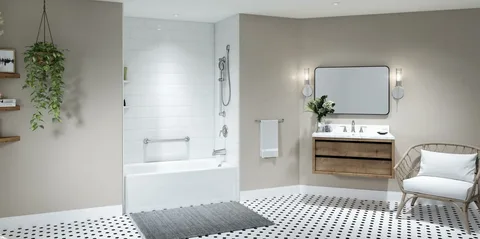
Explore tub to walk-in shower conversion near me options for safer bathrooms, improved accessibility, and modern shower upgrades in Plymouth and Allen Park, MI.
Many homeowners consider updating their bathrooms when traditional bathtubs become difficult to use or no longer fit their lifestyle. A walk-in shower can provide easier access, improved comfort, and a more modern bathroom design. Marathon Bath Systems helps homeowners understand the planning and process behind bathroom accessibility upgrades. People searching for a tub to walk-in shower conversion near me often want to know how the conversion works, what benefits it provides, and what factors should be considered before starting the project.
A bathtub conversion is not only about changing the appearance of a bathroom. It involves evaluating the current space, selecting suitable materials, planning the layout, and creating a shower area that supports everyday needs.
For homeowners in Plymouth, MI and Allen Park, MI, understanding bathtub conversion options, installation considerations, and common mistakes can help create a more functional bathroom.
Why Homeowners Convert Bathtubs Into Walk-In Showers
Traditional bathtubs may become inconvenient for homeowners who have mobility concerns or prefer easier access. A walk-in shower can create a more practical bathing environment while updating the overall look of the bathroom.
A tub-to-shower conversion can help improve:
Bathroom accessibility, daily convenience, available space, cleaning routines, and modern design appeal.
Many homeowners choose this upgrade because it allows them to keep their existing bathroom footprint while making a meaningful improvement.
Understanding Tub to Walk-In Shower Conversion
How Tub to Walk-In Shower Conversion Near Me Works
A tub to walk-in shower conversion near me in Plymouth, MI usually involves removing the existing bathtub area and replacing it with a shower system designed around the homeowner’s needs.
The conversion process typically includes evaluating:
The current bathtub condition, bathroom layout, plumbing setup, available space, and preferred shower features.
Proper planning helps create a shower that fits both the home and the homeowner’s daily routine.
The Bathtub Conversion Process
Evaluating the Existing Bathroom
Before beginning a conversion, the existing bathroom area should be reviewed carefully.
Important considerations include:
The condition of surrounding walls, plumbing connections, floor structure, available space, and ventilation.
This evaluation helps identify any requirements before installation begins.
Removing the Existing Tub Area
The old bathtub and related components are carefully removed to prepare the space for the new shower design.
This stage may involve addressing:
Old fixtures, surrounding materials, damaged areas, and plumbing adjustments.
Proper preparation helps create a stable foundation for the new shower.
Installing the Walk-In Shower System
Once the area is prepared, the new shower components can be installed.
A walk-in shower may include:
Low-entry access, shower walls, fixtures, safety features, storage options, and updated surfaces.
The design should match the homeowner’s preferences while supporting practical use.
Completing Final Details
The final stage focuses on ensuring that the shower area is properly finished.
This may include checking:
Water connections, surface alignment, fixture operation, and overall appearance.
A detailed final review helps ensure the completed bathroom meets expectations.
Bath-Tub to Walk In Shower Conversion Options
A Bath-tub to walk in shower conversion in Allen Park, MI can be designed with different features depending on the homeowner’s goals.
Common considerations include:
Accessibility Features
Some homeowners prioritize easier entry and safer movement. Features such as lower thresholds and strategically placed accessories can improve usability.
Shower Layout
The shower design should consider available space and how the bathroom is used daily.
Surface Materials
Bathroom surfaces should balance appearance, durability, and maintenance requirements.
Storage Solutions
Built-in shelves and practical storage areas can improve convenience without taking up additional floor space.
Converting Bathtub to Walk-In Shower for Different Bathrooms
To convert a bathtub to a walk-in shower, homeowners should consider the size and layout of their existing bathroom.
Smaller bathrooms may benefit from space-efficient shower designs, while larger bathrooms may allow for additional features and expanded layouts.
The right approach depends on:
Bathroom dimensions, plumbing placement, homeowner preferences, and long-term needs.
Comparing Bathtub and Walk-In Shower Options
| Feature | Traditional Bathtub | Walk-In Shower |
| Accessibility | Requires stepping over tub wall | Easier entry design |
| Space Use | Larger fixed bathing area | Flexible layout options |
| Cleaning | More surfaces to maintain | Often easier maintenance |
| Design Style | Traditional appearance | Modern bathroom look |
The best option depends on lifestyle, comfort preferences, and bathroom goals.
Common Tub Conversion Mistakes
Ignoring Bathroom Layout
A conversion should consider how the new shower fits with existing fixtures and available space.
Choosing Features Without Planning
Adding features without considering daily use can affect comfort and functionality.
Overlooking Plumbing Conditions
Existing plumbing should be reviewed before installation begins.
Focusing Only on Appearance
A beautiful shower should also provide practical benefits and long-term usability.
Skipping Proper Preparation
Careful preparation helps prevent issues with installation and performance.
Best Practices for Walk-In Shower Projects
A successful conversion starts with thoughtful planning.
Homeowners should consider:
Their current mobility needs, future lifestyle changes, preferred maintenance level, bathroom style, and desired features.
Choosing suitable materials and planning the layout carefully can help create a shower that remains useful for years.
Actionable Tips Before Starting a Tub Conversion
Before beginning a bathtub conversion project, homeowners should evaluate their goals and priorities.
Consider:
How the bathroom is currently used, which features would improve comfort, whether additional storage is needed, and how the new shower should fit into the existing space.
Clear planning can help create a smoother renovation process.
Factors That Affect Tub Conversion Results
Several factors influence the outcome of a walk-in shower conversion:
- Bathroom size
- Existing plumbing
- Material selection
- Shower design
- Installation process
- Homeowner needs
- Accessibility requirements
- Maintenance preferences
Each bathroom has different conditions, so the conversion plan should match the specific property.
Conclusion
A bathtub conversion can transform an outdated bathroom into a more comfortable and functional space. A tub to walk-in shower conversion near me allows homeowners to improve accessibility, update design, and create a shower area that better matches their daily needs.
For homeowners in Plymouth, MI and Allen Park, MI, understanding Bath-tub to walk in shower conversion and how to convert bathtub to walk-in shower options work can make renovation decisions easier. Marathon Bath Systems helps homeowners approach bathroom upgrades with attention to planning, comfort, installation details, and long-term use.
FAQ
What is a tub to walk-in shower conversion?
A tub to walk-in shower conversion replaces a traditional bathtub with a shower design that provides easier access and improved bathroom functionality.
How long does a bathtub conversion take?
The timeline depends on the bathroom layout, project requirements, materials selected, and installation details.
Can any bathtub be converted into a walk-in shower?
Many bathtubs can be converted, but the final design depends on plumbing conditions, available space, and bathroom structure.
What are the benefits of a walk-in shower?
Walk-in showers can provide easier access, modern appearance, improved comfort, and more practical daily use.
Is a Bath-tub to walk in shower conversion a major renovation?
A conversion changes an important part of the bathroom, but it often uses the existing bathroom space rather than requiring a complete remodel.